.png)
Comment: Fighting for the Lavant
Of the 200 or so chalk streams in the world, 85% can be found in England. These precious and rare freshwater habitats create vital ecosystems that cannot be replicated elsewhere. The River Lavant is a fantastic example of a river that is modest in size but of immeasurable importance, with evidence showing settlements along the river for over 5,000 years, and its waters being used for farming and daily life throughout that period.
The River Lavant is also one of the most heavily impacted chalk streams, suffering from high levels of sewage entering the watercourse from the wastewater treatment works along its path.
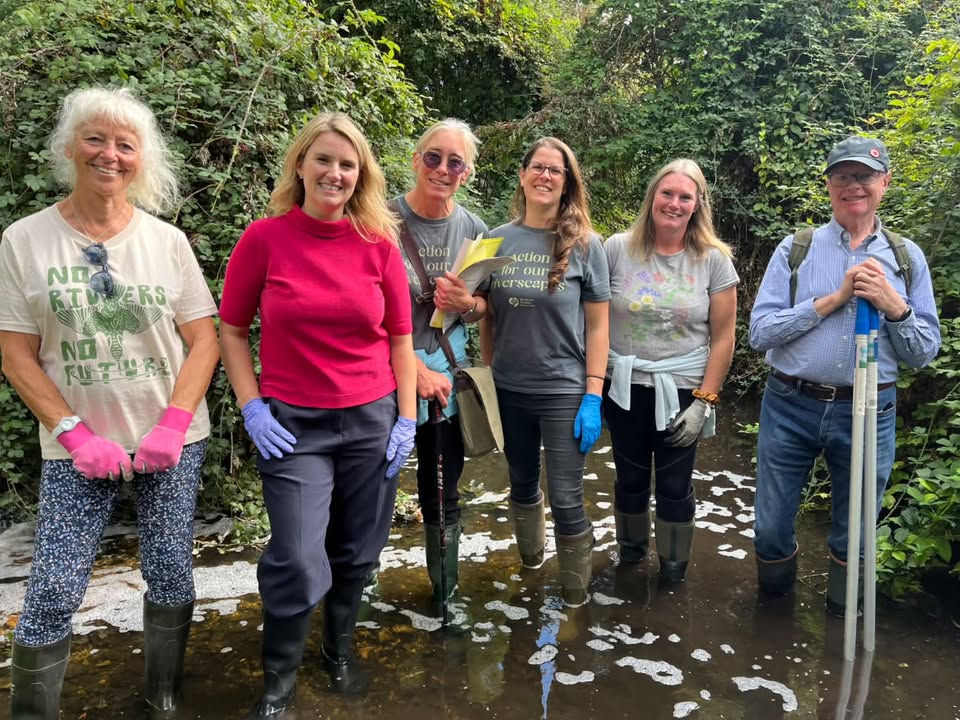
I was gutted to receive the most recent and alarming data from Western Sussex Rivers Trust, whose citizen scientists have been regularly monitoring the health of the river along key parts of the chalk stream. Their findings show high levels of phosphates, nitrates and ammonia in the river, especially downstream of the wastewater treatment works.

The combination of nitrates and phosphates leads to algal blooms, which literally starve the river and its inhabitants of oxygen, damaging the river’s health and its precious ecosystem. Perhaps most telling of all was the total absence of River flies from the data collected, which is a key indicator of a river’s health.
In 2025, Southern Water used its storm overflow into the Lavant for a staggering 3,500 hours, the equivalent of 145 days. They will argue that much of this dumping would have gone through their reed bed, a nature-based water treatment system that they are keen to roll out to multiple other treatment plants across the area. But with high levels of pollutants in the chalk stream still present, it is clear that reed beds are not the only solution and are certainly not a magic bullet. Southern Water needs to improve its failing infrastructure to prevent the dumping in the first place.
There is something the Environment Agency can do, however, that would make a difference immediately. Currently, Southern Water is not required to monitor phosphate levels at the Lavant. I’m calling on the Environment Agency to introduce a phosphate permit, which would establish clear, enforceable targets for phosphate reduction and give the River Lavant a fighting chance.
I’m so grateful to the citizen scientists across the Chichester constituency who are monitoring the health of not just the Lavant but also the Ems, which has its own unique challenges after years of over-abstraction, as well as the Bosham Stream and the Ham Brook. The health of these rivers contributes to the overall health of our harbours, and we are rich in knowledge thanks to their efforts. Their work gives me clear asks of those who hold the power to make that change.